
What Are Constellation Charts And How Do You Read Them?
For thousands of years, people have looked up at the night sky and searched for patterns among the stars. From ancient navigation to modern astronomy, understanding the positions of stars has helped humans explore, discover and connect with the universe around them.
Constellation charts are one of the most fascinating ways to explore the night sky. These detailed maps transform a seemingly endless collection of stars into recognisable patterns, helping both beginners and experienced stargazers understand what they are seeing.
What is a constellation chart?
A constellation chart is a map of the night sky that shows the location of stars and constellations as they appear from a particular place on Earth.
Unlike a simple picture of stars, a constellation chart provides information about where celestial objects can be found. It often includes the names of constellations, star groupings, and sometimes additional details such as brightness levels or the best times of year to view them.
Many traditional constellation charts were created as educational tools, combining scientific accuracy with beautifully detailed illustrations.
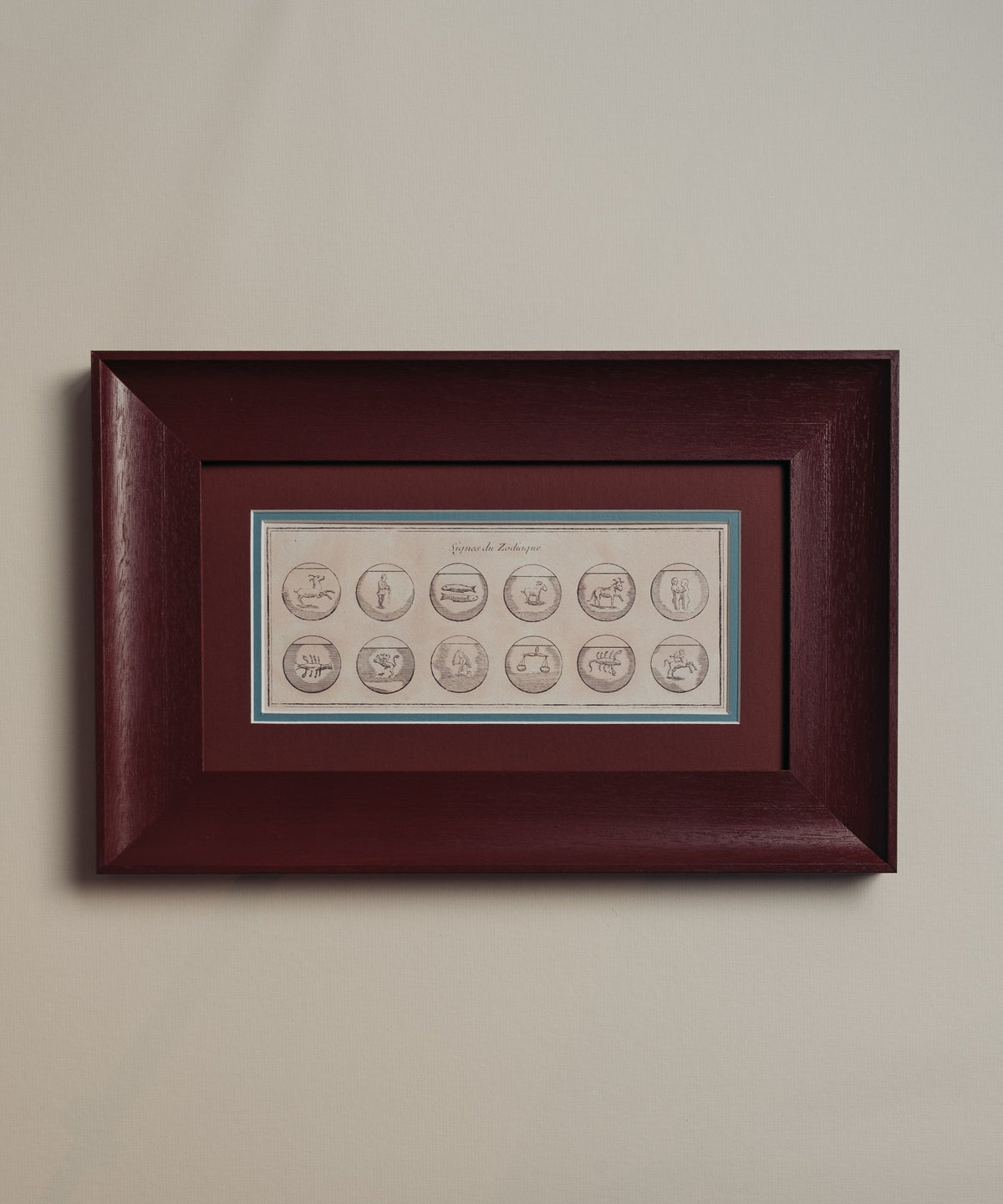
Today, these historic designs are appreciated not only by astronomy enthusiasts but also by those interested in vintage prints and the history of science.
Understanding the different parts of a star chart
At first glance, a constellation chart can look complicated, but the basic elements are relatively easy to understand.
Most charts include:
Constellation outlines: Lines are often drawn between stars to show the shapes associated with different constellations.
Star sizes: Larger dots usually represent brighter stars, helping you identify the most visible points in the sky.
Labels: The names of constellations and important stars are included to make identification easier.
Directional markers: Many charts show north, south, east and west to help you orient yourself when looking upwards.
The key is to remember that a chart is a guide rather than a perfect picture of what you will see. The appearance of the sky changes depending on your location, the time of year and local conditions such as light pollution.
How do you read a constellation chart?
The best way to use a constellation chart is to start with the season. Different constellations are visible at different times of the year because the Earth moves around the Sun.
Begin by identifying which direction you are facing. Hold the chart above you or position it so that the directions match your surroundings. Then look for the brightest stars first, using them as reference points to locate nearby constellations.
A good approach for beginners is to learn a few recognisable patterns rather than trying to identify everything at once. Well-known constellations such as Orion, Ursa Major and Cassiopeia are often easier to spot because of their distinctive shapes.
Why constellation charts remain fascinating today
Traditional constellation charts offer something unique; inviting us to observe, learn and appreciate the patterns that have fascinated generations before us.
Whether displayed as decorative vintage framed prints or used as a practical guide for stargazing, constellation charts capture the timeless appeal of looking upwards and discovering the stories written among the stars.