Article: How Did The Golden Age Of Letter Writing Shape Stamp Design?
How Did The Golden Age Of Letter Writing Shape Stamp Design?
Before emails, instant messages and video calls arrived, sending a letter was an event. From the moment a handwritten envelope was addressed to the moment it was delivered, correspondence connected people across cities, countries and continents.
The postage stamp was an essential part of that experience. But stamps were more than a practical way of paying for postage.
As letter writing became an increasingly important part of everyday life, stamps developed into tiny pieces of artwork that reflected the places, people and ideas of their time.
When the postage stamp became part of everyday life
The introduction of the adhesive postage stamp in the 19th century transformed postal communication. Instead of the recipient generally paying for delivery, postage could be paid in advance by the sender.
As postal services expanded and letter writing became more accessible, stamps were being seen by an enormous audience.
This gave governments an unusual opportunity: a tiny piece of paper travelling into homes around the world could communicate something about a country and its identity. By the 20th century, stamps were becoming increasingly varied in their imagery and design.
Stamps became miniature works of art
During the decades when letter writing was at its height, stamp designers had remarkably little space in which to work. Yet within those small dimensions they had to combine imagery, lettering, denomination and other information.
That encouraged a distinctive style of graphic design. Portraits, animals, plants, buildings, landscapes, ships and significant events could all become subjects for stamps.
The resulting designs were often highly detailed, with carefully considered typography and colour. Seen individually, a stamp might be tiny. Seen as part of a collection, however, these designs provide a fascinating visual record of the 20th century.
From everyday correspondence to vintage wall art
The decline of traditional letter writing has made vintage stamps feel increasingly nostalgic. Their original purpose may have been practical, but their visual qualities have given them a second life as decorative objects.
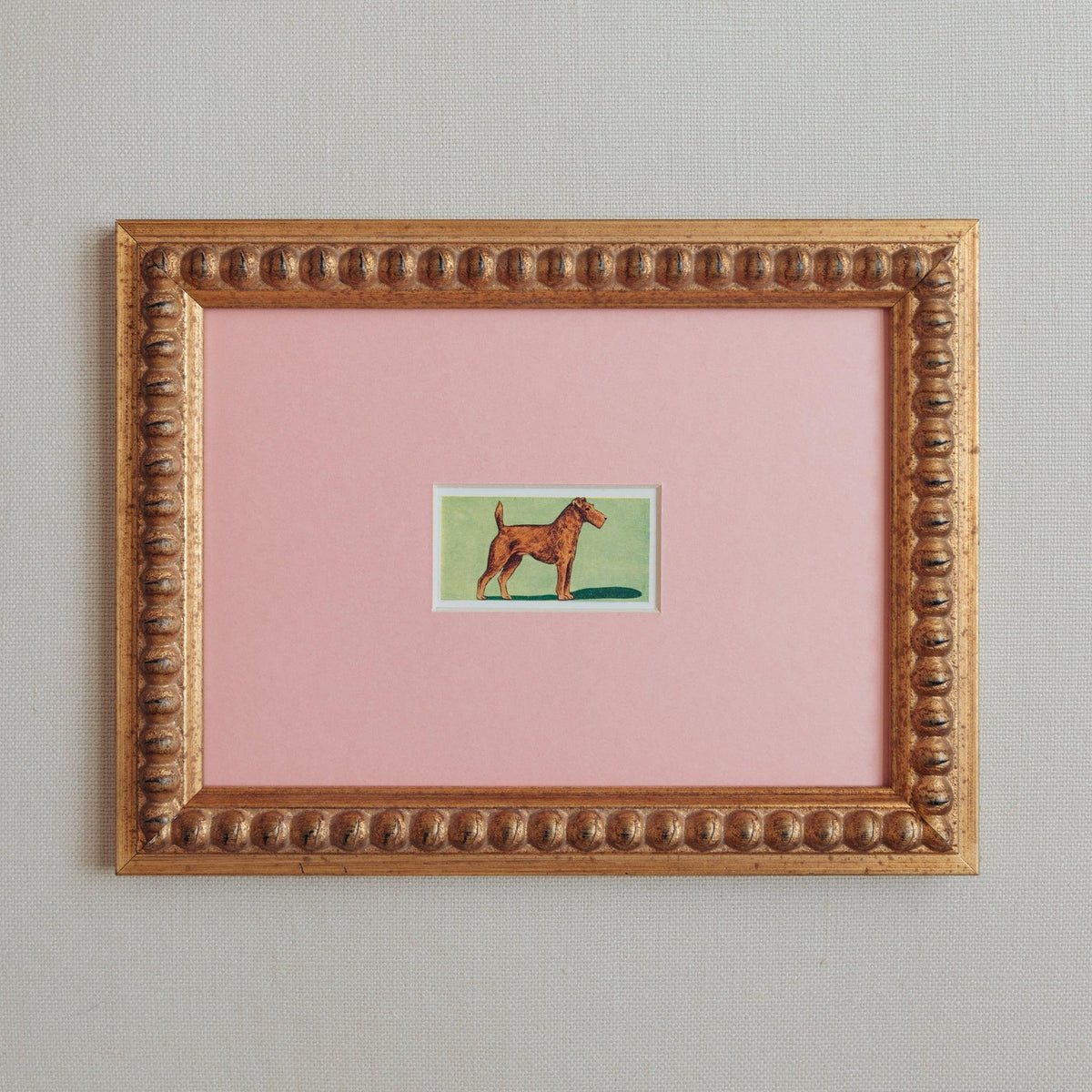
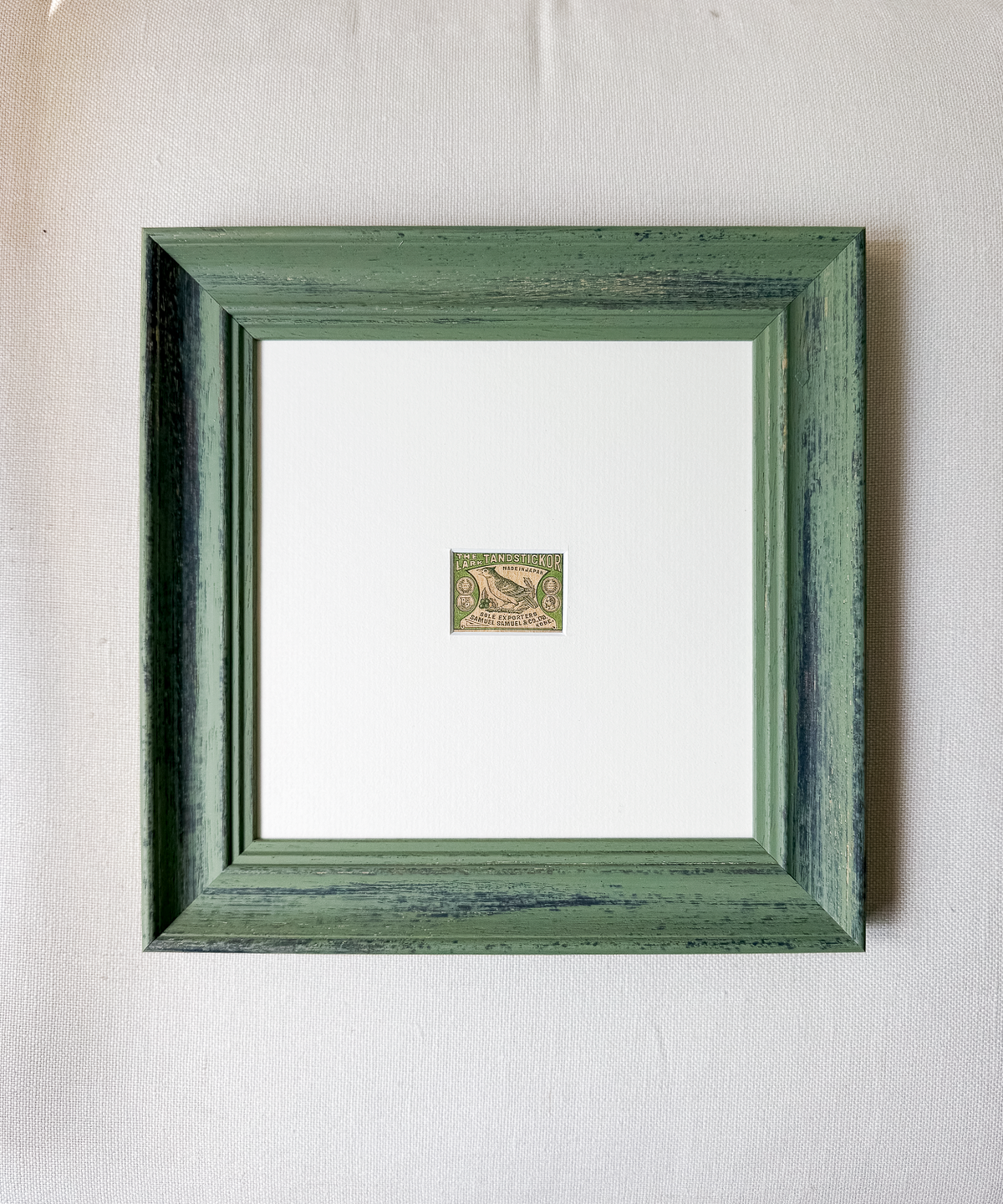
Framed vintage stamps can bring colour, history and a sense of travel into an interior without feeling like conventional artwork. Their small scale and intricate designs also make them rewarding to look at closely.
An antique white textured mount can provide a clean backdrop that allows the individual stamps to stand out, while a handmade walnut veneer frame adds warmth and complements the character of older paper and printing.
Why vintage stamps still have a story to tell
Today's digital messages may arrive in seconds, but they rarely offer the same tangible connection with another time and place.
Vintage stamps preserve a small part of that lost experience. They travelled on letters, crossed borders and passed through people's hands before eventually becoming collectable pieces of graphic history.
That combination of design, travel and storytelling is perhaps why stamps from the golden age of letter writing remain so appealing today. They may have been created to help deliver a message, but decades later, they have plenty of stories of their own to tell.